Product Overview
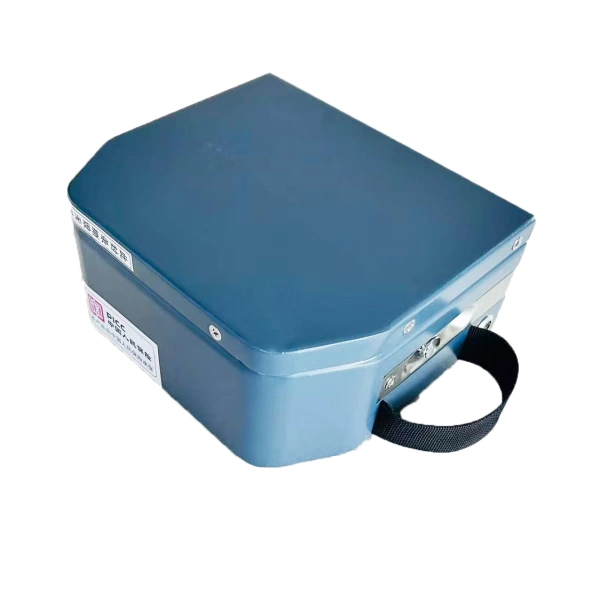
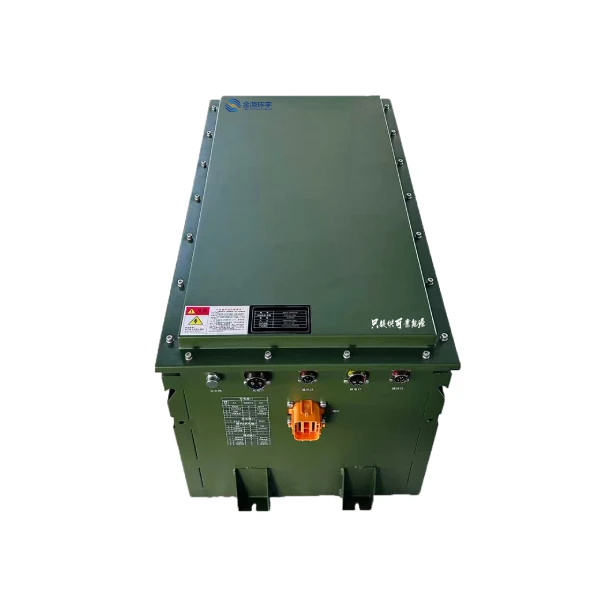
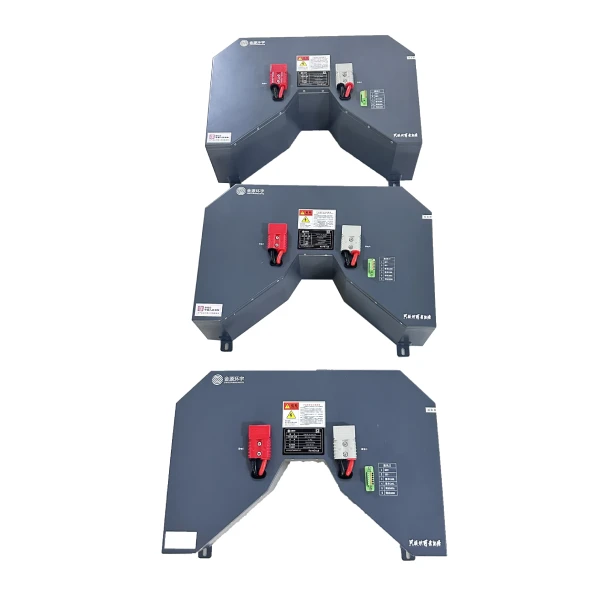
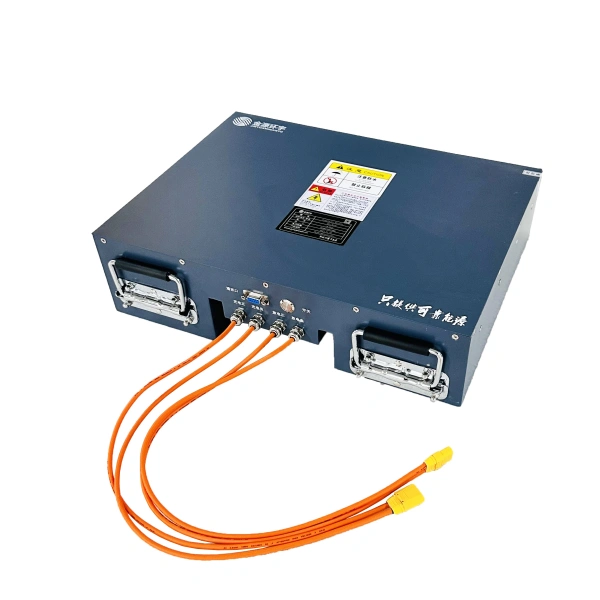
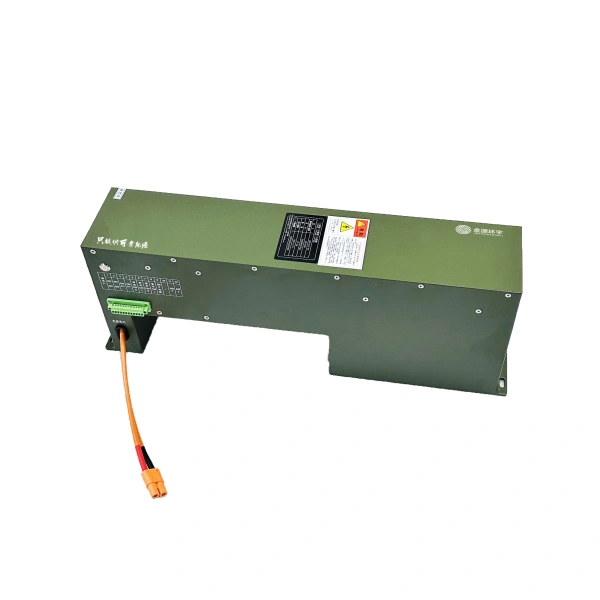
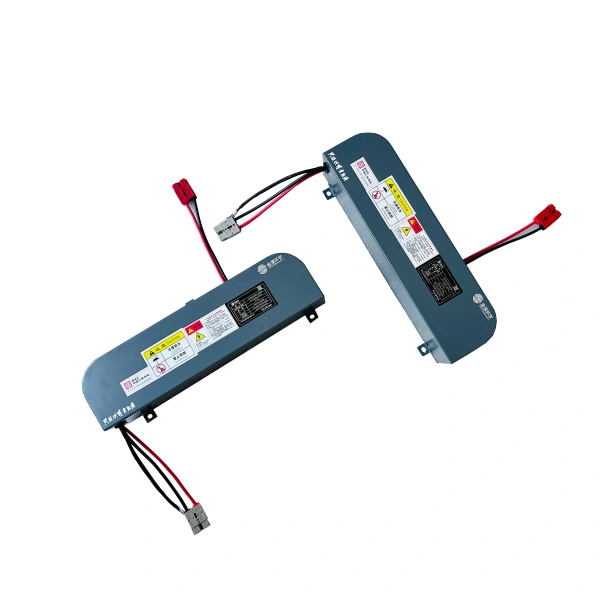
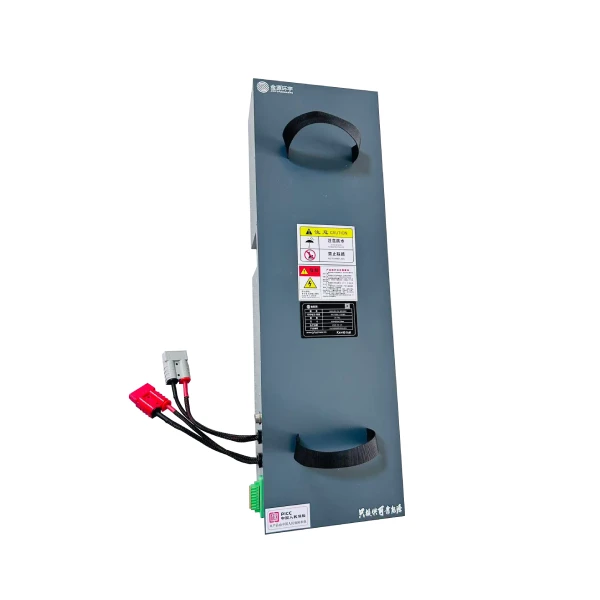
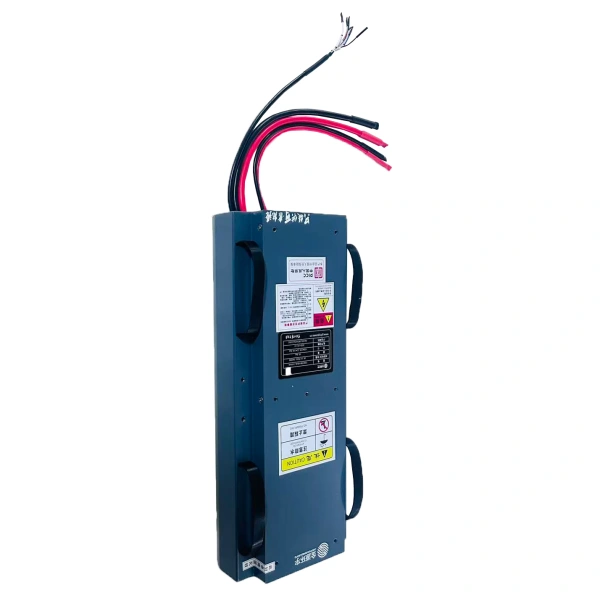
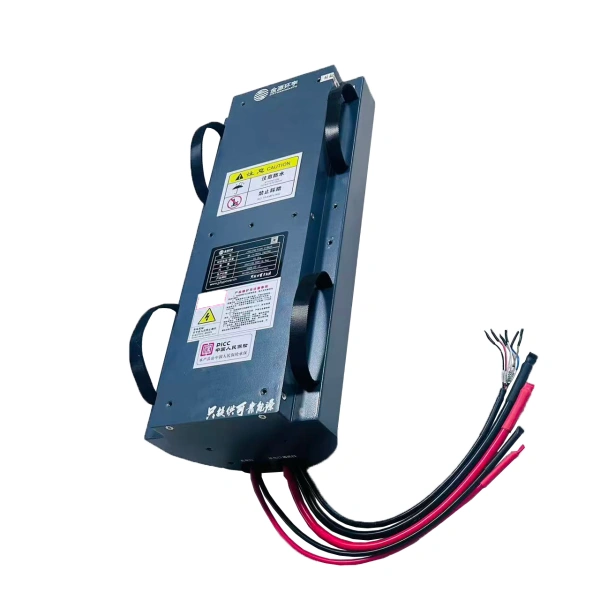
The PK1981A1 is a high-capacity, high-safety semi–solid state lithium iron phosphate (LiFePO₄) battery system engineered specifically for underwater robotics – including ROVs, AUVs, and other subsea platforms. Leveraging advanced semi-solid electrolyte technology, this battery delivers superior energy density, exceptional thermal stability, and enhanced safety compared to conventional liquid-electrolyte batteries – critical attributes for operation in the demanding underwater environment where reliability is paramount.
The system integrates 3.2V 25Ah semi–solid state cells in a 2P13S configuration (2 parallel, 13 series), providing a nominal 48V with 50Ah rated capacity – delivering over 2.4kWh of stored energy for extended mission durations.
An intelligent Battery Management System (BMS) monitors voltage, current, temperature, and state of charge in real time, providing comprehensive protection against overcharge, over-discharge, overcurrent, short circuit, and temperature extremes – ensuring safe and reliable operation throughout subsea missions.
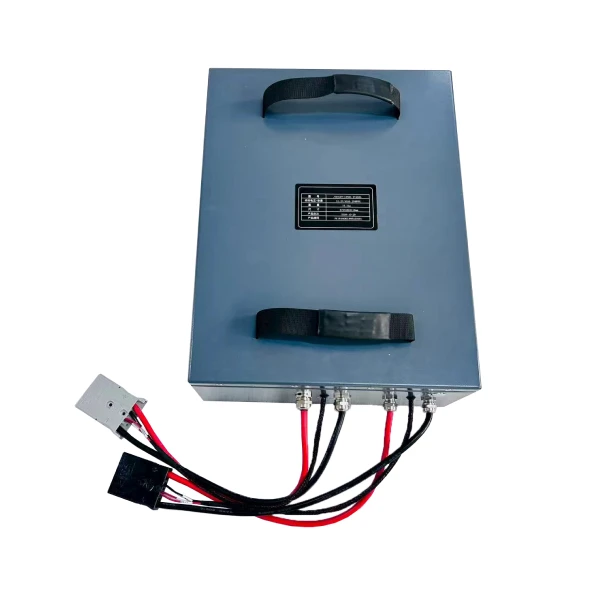
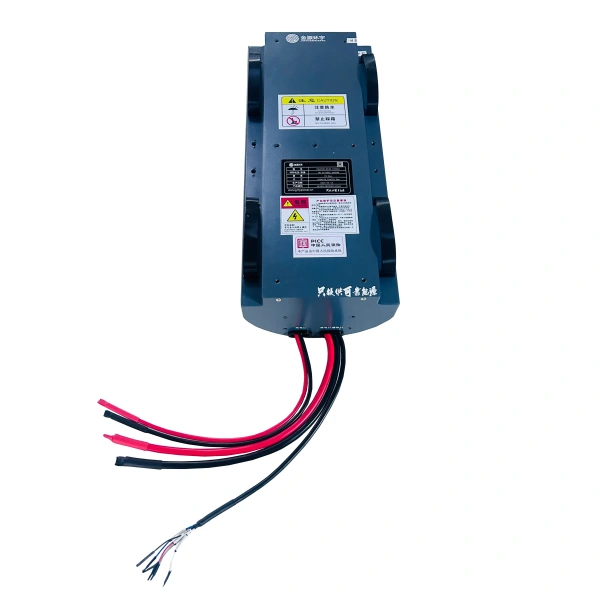
The battery features separate charge and discharge ports with high-current AWG6/AWG11 wiring, and CAN communication for seamless integration with underwater vehicle control systems.
Technical Specifications
| Model | JYHYLFP-NX48V50Ah |
| Cell Chemistry | Semi-Solid State LiFePO₄ |
| Cell Model | JYHYLFP-25Ah |
| Configuration | 2P13S (26 cells total) |
| Nominal Voltage | 48V |
| Rated Capacity | 50Ah @ 0.3C, 25°C |
| Minimum Capacity | 45Ah @ 0.3C, 25°C |
| Standard Charge Current | 10A |
| Charge Cut-off Voltage | 55.25V (cell limit 4.25V) |
| Standard Discharge Current | 20A |
| Discharge Cut-off Voltage | 32.5V (cell limit 2.5V) |
| Continuous Discharge Current | 20A @ 15–45°C |
| Max. Discharge Current | 50A @ 15–45°C |
| Peak Discharge Current | 200A @ 15–45°C, ≤200ms |
| Standard Charge Time | ~5 hours |
| Cycle Life | ≥400 cycles (to 70% capacity) |
| Communication Interface | CAN (standard protocol) |
| Charge Port Wiring | AWG11, 300mm lead |
| Discharge Port Wiring | AWG6, 300mm lead |
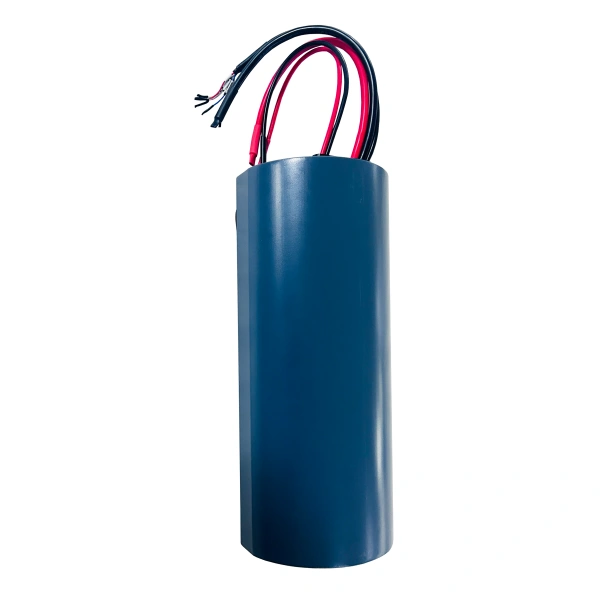
| Enclosure Material | Q235 steel, Far Mountain Blue finish |
| Dimensions (L×W×H) | 420mm × 129.22mm × 114.5mm (±1mm) |
| Weight | ~13 kg |
Communication Port Pinout
The PK1981A1 provides a comprehensive communication interface for integration with underwater vehicle control systems:
| Pin | Function | Pin | Function |
| KEY1 | Key-switch input | Debug RS485 A | Debug/Diagnostic channel |
| KEY2 | Key-switch input | Debug RS485 B | Debug/Diagnostic channel |
| Vehicle CAN H | CAN communication (high) | – | – |
| Vehicle CAN L | CAN communication (low) | – | – |
Key features:
CAN communication – industry-standard protocol for underwater vehicle control systems
Key–switch control – KEY1/KEY2 for remote ON/OFF
Debug RS485 channel – for diagnostics and parameter configuration
BMS Protection & Monitoring
The BMS provides comprehensive protection with the following features:
Cell voltage monitoring with programmable thresholds
Prevents deep discharge damage
Protects against excessive charge/discharge currents
Instantaneous response
Ensures safe operation across temperature extremes
Maintains uniform cell performance
≤ ±5%
Communication & data monitoring via CAN:
Semi-Solid State Technology – Key Advantages for Underwater Robotics
The PK1981A1 utilises semi-solid state electrolyte technology, offering distinct advantages specifically tailored for underwater robotic applications:
| Advantage | Benefit for Underwater Robots |
| 🔋 High Energy Density | 2.4kWh capacity in a 13kg package – maximises mission duration without excessive weight penalty |
| 🛡️ Enhanced Safety | Semi-solid electrolyte reduces leakage risk – critical for subsea operations where battery failure can be catastrophic |
| ❄️ Wide Temperature Range | Reliable operation from -20°C to 60°C – suitable for diverse underwater environments |
| ⚡ High Power Capability | 200A peak discharge – supports thruster surges, emergency manoeuvres, and payload operations |
| 🔄 Long Cycle Life | ≥400 cycles to 70% capacity – reduces total cost of ownership for fleet operations |
| 🌡️ Thermal Stability | Semi-solid chemistry provides better thermal management – essential for enclosed underwater housings |
Key Features
Remote power control via KEY1/KEY2 interface:
Power ON: Short KEY1/KEY2 → system powers on
Power OFF: Open KEY1/KEY2 → system shuts down
Charge port: AWG11 wiring for dedicated charging
Discharge port: AWG6 high-current wiring for power delivery
Separate ports enhance safety and allow independent control of charge/discharge circuits
Industry-standard CAN bus communication enables seamless integration with underwater vehicle control systems, providing real-time battery status monitoring, fault diagnosis, and intelligent power management.
With 200A peak discharge current and 50A continuous discharge, this battery supports the demanding power requirements of underwater robotics during:
- Thruster acceleration and dynamic positioning
- Emergency surfacing manoeuvres
- Payload operation (manipulators, sensors, cameras)
- Strong current navigation
Operating Conditions
| Condition | Temperature Range |
| Charging | -20°C to 55°C |
| Discharging | -20°C to 60°C |
| Storage | 0°C to 45°C (optimum 15–25°C) |
Typical Applications
Inspection, intervention, and construction
Survey, mapping, and data collection
Pipeline, cable, and infrastructure inspection
Oceanographic research and environmental monitoring
Surface support and autonomous navigation
Reconnaissance and surveillance
Why Choose the PK1981A1 for Underwater Robotics?
Enhanced safety, reduced leakage risk, better thermal stability for enclosed housings
2.4kWh energy – extended mission duration for demanding subsea operations
Powers thruster surges, emergency manoeuvres, and payload operations
Industry-standard protocol – seamless integration with underwater vehicle control systems
Simple, reliable power management for remote and autonomous operations
Enhanced safety and flexible system integration
-20°C to 60°C – suitable for diverse underwater environments
Balanced energy density – optimal for underwater vehicle buoyancy and trim
Voltage, capacity, connectors, and communication protocols can be tailored
Notes & Warnings
- Use only the specified charger (55.25V, 10A, CC-CV).
- Charge only when battery temperature is between -20°C and 55°C.
- Discharge only when temperature is between -20°C and 60°C.
- Do not over–discharge – recharge within 24 hours after full discharge.
- For storage exceeding 2 months, maintain at ~50% SOC (approx. 48V).
- Storage voltage per cell: 3.6–3.75V.
- Do not connect batteries in series without proper engineering assessment.
- Waterproofing – while the battery is designed for underwater vehicle integration, the battery housing itself is not intended for direct submersion without additional encapsulation. Ensure proper integration into the vehicle’s pressure-tested battery compartment.
- Pressure compensation – for deep-water applications, consult with our engineering team regarding pressure-compensated design options.
Ordering Information
For customisation (different capacity, voltage, connectors, or communication protocols), please provide your application details (load profile, duty cycle, ambient conditions, and desired interface). Engineering support is available for tailored solutions.