Product Overview
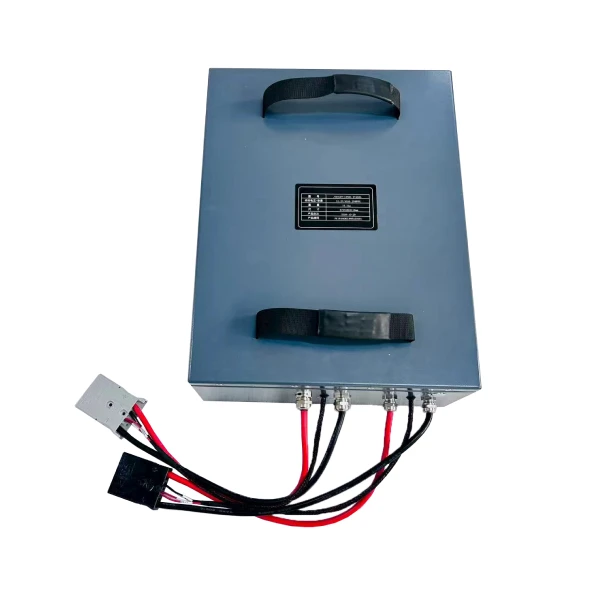
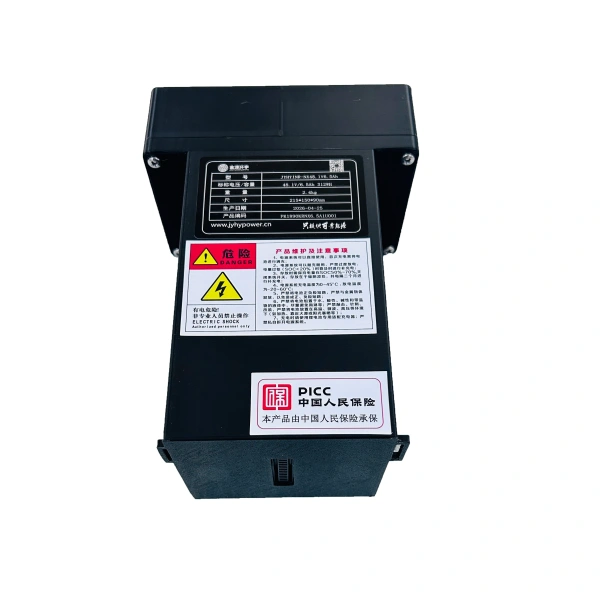
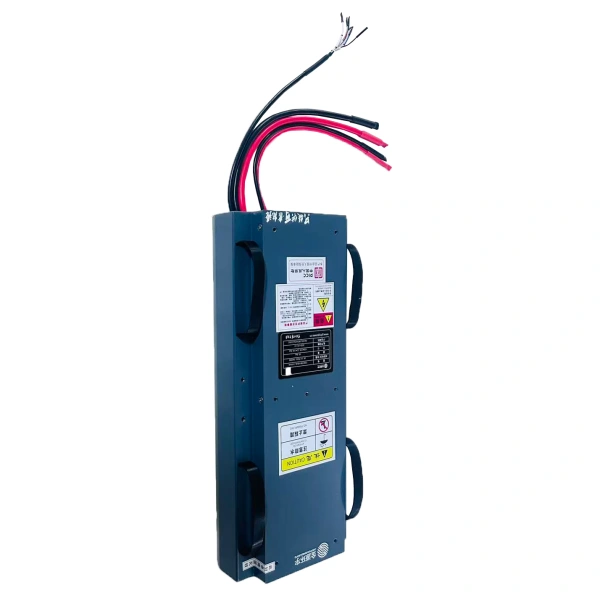
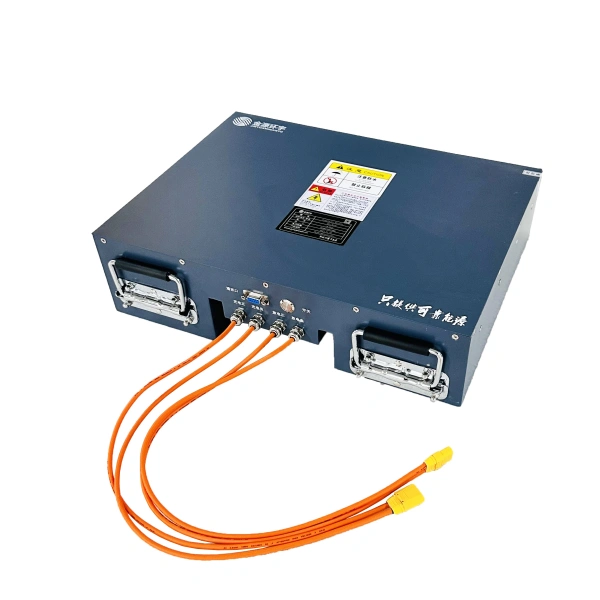
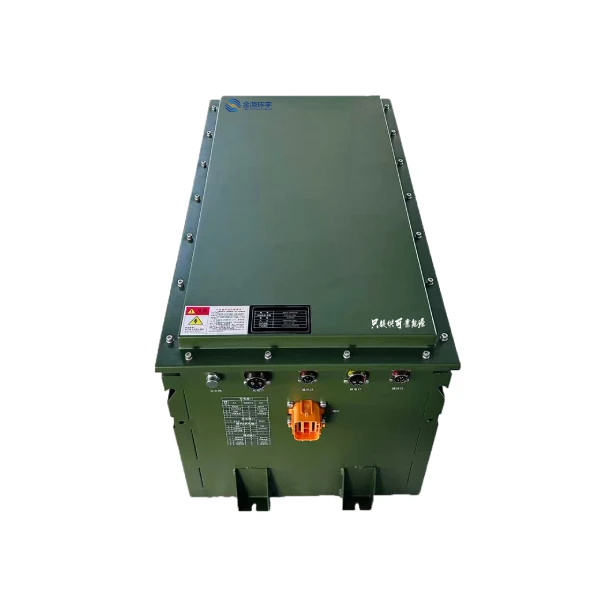
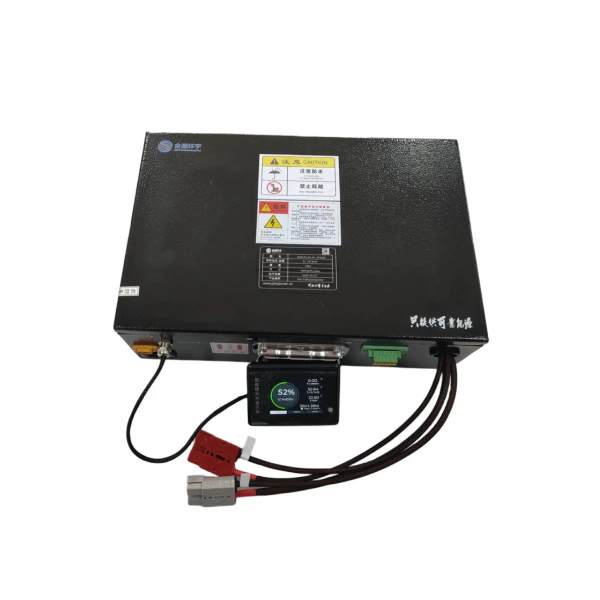
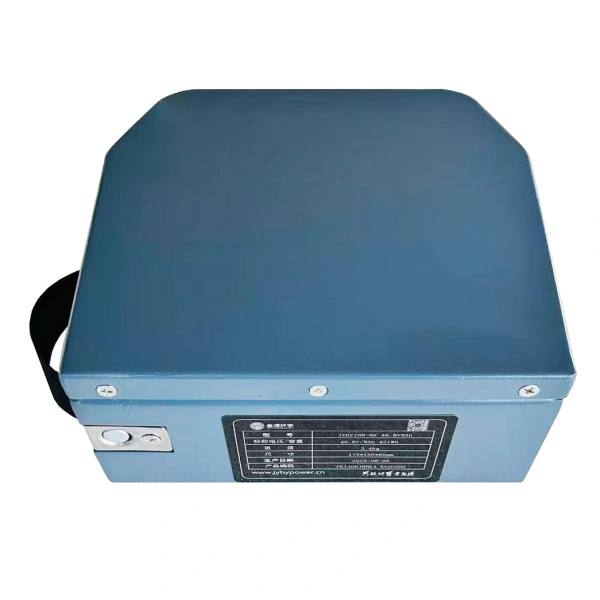
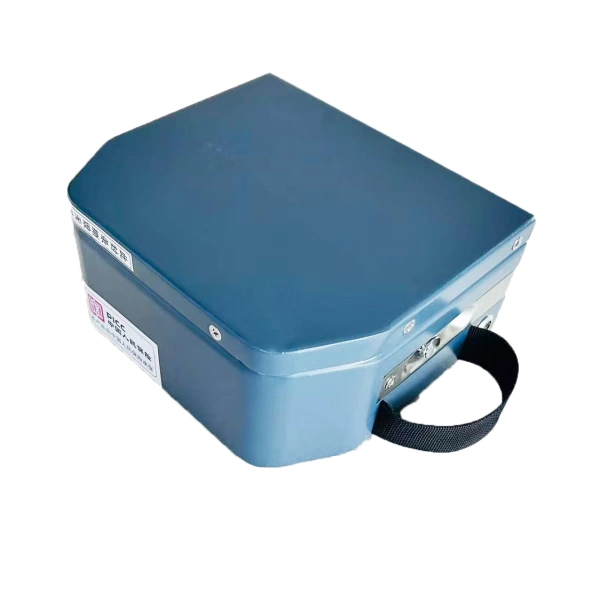
The PK1406A1 is a high-energy-density ternary lithium battery (NCM) system engineered specifically for humanoid intelligent robots and advanced robotic platforms. Utilising advanced NCM cell technology, this battery delivers superior gravimetric energy density in a compact, lightweight form factor – making it an ideal power source for humanoid robots where weight reduction, space efficiency, and high power output are critical for natural, agile movement.
The system integrates 3.6V 9Ah NCM cells (model JYHYIFP-21700-4.5Ah) in a 2P13S configuration (2 parallel, 13 series), providing a nominal 46.8V with 9Ah rated capacity. Each cell is a high-quality 21700 cylindrical format, known for excellent thermal management and manufacturing consistency – essential for the demanding duty cycles of bipedal locomotion and dynamic motion.
An intelligent Battery Management System (BMS) monitors voltage, current, temperature, and state of charge in real time, providing comprehensive protection against overcharge, over-discharge, overcurrent, short circuit, and temperature extremes – ensuring safe and reliable operation throughout the robot’s mission.
The battery features a unified charge/discharge port with a high-reliability 14-pin aviation connector, simplifying integration into the robot’s chassis and reducing cabling complexity – a key consideration for humanoid form factors with limited internal space.
Technical Specifications
| Model | JYHY-46.8V9Ah |
| Cell Chemistry | NCM (Nickel-Cobalt-Manganese) Lithium-ion |
| Cell Model | JYHYIFP-21700-4.5Ah |
| Cell Format | 21700 Cylindrical |
| Configuration | 2P13S (26 cells total) |
| Nominal Voltage | 46.8V |
| Rated Capacity | 9Ah @ 0.3C, 25°C |
| Minimum Capacity | 8.8Ah @ 0.3C, 25°C |
| Voltage Range | 54.6V – 32.5V |
| Standard Charge Current | 5A |
| Charge Cut-off Voltage | 54.6V (cell limit 4.2V) |
| Standard Discharge Current | 4A @ 0–45°C |
| Discharge Cut-off Voltage | 36.4V (cell limit 2.8V) |
| Max. Continuous Discharge Current | 70A @ 10–40°C |
| Typical Charge Time | ~2 hours |
| Communication Interface | RS485 (dual channels: robot control + debug) |
| Charge/Discharge Port | L01FC14B-DJ1CW05C11 (14-pin aviation connector) |
| Enclosure Material | Q235 steel, Far Mountain Blue finish |
| Dimensions (L×W×H) | 175mm × 155mm × 80mm (±1mm) |
| Weight | ~3 kg |
Connector Pinout – 14-Pin Aviation Port
The PK1406A1 integrates all power and signal connections through a single 14-pin L01FC14B-DJ1CW05C11 connector:
| Pin | Function | Pin | Function |
| 1 | Charge / Discharge + | 8 | Robot RS485 B |
| 2 | Charge / Discharge + | 9 | Debug RS485 A |
| 3 | Charge / Discharge + | 10 | Debug RS485 B |
| 4 | Charge / Discharge + | 11 | Charge / Discharge – |
| 5 | KEY1 | 12 | Charge / Discharge – |
| 6 | KEY2 | 13 | Charge / Discharge – |
| 7 | Robot RS485 A | 14 | Charge / Discharge – |
Key features:
Unified power port – combined charge and discharge on pins 1–4 (+), 11–14 (–)
Dual RS485 channels – separate robot control communication and debug interfaces
Key–switch control – KEY1/KEY2 for remote ON/OFF
BMS Precision & Protection
The BMS provides robust protection with the following features:
Cell voltage monitoring, cut-off at 4.2V/cell
Prevents deep discharge damage, cut-off at 2.8V/cell
Protects against excessive charge/discharge currents
Instantaneous response
Ensures safe operation across temperature extremes
Maintains uniform cell performance
Communication & data monitoring via RS485:
NCM Chemistry – Key Advantages for Humanoid Robotics
The PK1406A1 utilises NCM (Nickel-Cobalt-Manganese) ternary lithium technology, offering distinct advantages specifically tailored for humanoid robot applications:
| Advantage | Benefit for Humanoid Robots |
| ⚡ High Energy Density | Maximum capacity per unit weight – extends runtime without adding excessive mass to the robot’s structure |
| 📐 Ultra-Lightweight Design | ~3 kg total weight – minimises the robot’s overall centre-of-gravity shift and reduces actuation power consumption |
| 🔋 High Voltage Platform | 3.6V nominal cell voltage – higher system efficiency for motor drivers and control electronics |
| ⚡ High Power Output | 70A continuous discharge – supports simultaneous high-torque joint actuation during walking, running, and climbing |
| 📦 Compact Footprint | 175×155×80mm – fits within the torso or leg cavities of humanoid robot designs |
| 🏭 21700 Cylindrical Cells | Proven format with excellent thermal dissipation – critical for sustained high-power operation during dynamic motion |
| 🔌 Integrated 14–Pin Connector | Single connection point – simplifies integration and cable management in space-constrained robot compartments |
Key Features
Remote power control via KEY1/KEY2 interface:
Power ON: Apply signal to KEY1/KEY2 → system powers on
Power OFF: Remove signal → system shuts down
All connections (power + communication + control) are consolidated into a single ruggedised aviation connector, simplifying installation, reducing wiring errors, and improving system reliability – critical for humanoid robots with limited internal access.
Robot control RS485 channel – for seamless integration with the robot’s main control system, enabling real-time battery status monitoring and intelligent power management
Debug RS485 channel – for diagnostics, firmware updates, and parameter configuration during development and maintenance
With 70A maximum continuous discharge current, this battery supports the demanding power requirements of humanoid robots during:
- Rapid joint acceleration and deceleration
- Dynamic balance adjustments
- Stair climbing and incline navigation
- Payload handling and manipulation tasks
Operating Conditions
| Condition | Temperature Range |
| Charging | 0°C to 45°C |
| Discharging | -20°C to 60°C |
| Storage | 0°C to 45°C (optimum 15–25°C) |
Typical Applications
Bipedal walking, running, and manipulation platforms
Research, development, and commercial deployment
Hospitality, healthcare, and customer interaction
Manufacturing assistance and material handling
University and corporate robotics labs
Any application requiring high energy density, lightweight design, and high power output in a compact form factor
Why Choose the PK1406A1 for Humanoid Robotics?
3kg total weight – maximises runtime while minimising structural burden
Powers demanding dynamic movements – walking, running, climbing
Single connection for power, comms, and control – simplifies integration into robot torso
Simultaneous robot control integration and debug access
Simple, reliable power management for remote operation
175×155×80mm – fits within space-constrained robot compartments
Excellent thermal management – critical for sustained dynamic operation
-20°C to 60°C discharge – suitable for diverse operating environments
Notes & Warnings
- Use only the specified charger (54.6V, 5A, CC-CV).
- Charge only when battery temperature is between 0°C and 45°C.
- Discharge only when temperature is between -20°C and 60°C.
- Do not over–discharge – recharge within 24 hours after full discharge.
- For storage exceeding 3 months, maintain at ~50% SOC (approx. 46.8V).
- Storage voltage per cell: 3.6–4.0V.
- Do not connect batteries in series or parallel without proper engineering assessment.
- This battery uses NCM chemistry – always follow safety guidelines for lithium-ion batteries.
Ordering Information
For customisation (different capacity, voltage, connectors, or communication protocols), please provide your application details (load profile, duty cycle, ambient conditions, and desired interface). Engineering support is available for tailored solutions.
For further technical data or to request a sample, please contact our sales team.
Specifications subject to change without notice. Always refer to the latest product datasheet.